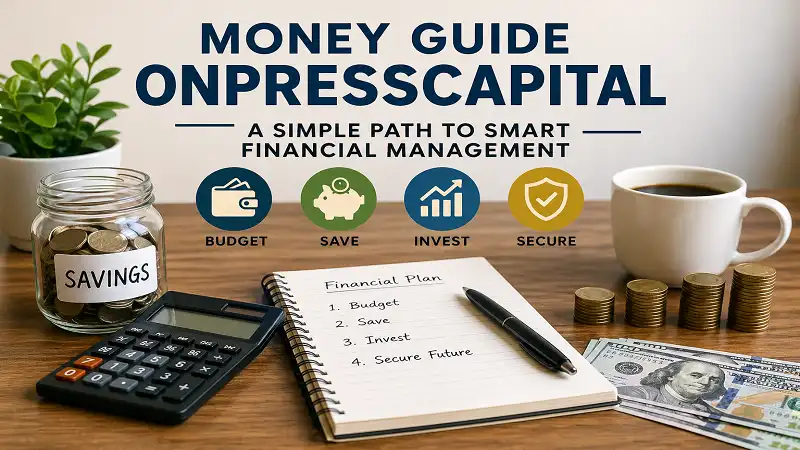
Managing money is one of the most important life skills, yet many people struggle to understand how to handle their finances effectively. A clear and practical approach can make a big difference in achieving financial stability and long-term success. This money guide onpresscapital is designed to provide simple, easy-to-follow advice that anyone can use to improve their financial habits.
From budgeting and saving to investing and avoiding debt, this article covers essential financial principles in a straightforward way. Whether you are just starting your financial journey or looking to improve your current situation, the guidance below will help you make smarter decisions with your money.
Understanding the Basics of Money Management
Before diving into advanced strategies, it is important to understand the basics. Money management is simply the process of tracking, planning, and controlling your income and expenses.
Key Components:
- Income: Money you earn from work, business, or investments
- Expenses: Money you spend on needs and wants
- Savings: Money you set aside for future use
- Investments: Money used to grow wealth over time
A strong foundation in these areas helps you stay in control and avoid financial stress.
Creating a Simple Budget
A budget is the backbone of financial success. It helps you understand where your money goes and ensures you are not spending more than you earn.
Steps to Create a Budget:
- Track Your Income: Know exactly how much you earn each month
- List All Expenses: Include rent, food, transport, bills, and entertainment
- Categorize Spending: Separate needs from wants
- Set Limits: Allocate a fixed amount to each category
- Review Regularly: Adjust your budget as needed
Following a structured plan like this is a core idea in the money guide onpresscapital, helping individuals build financial discipline.
The Importance of Saving Money
Saving is not just about putting money aside—it is about preparing for the future. Unexpected expenses can happen at any time, and savings provide a safety net.
Types of Savings:
- Emergency Fund: Covers 3–6 months of expenses
- Short-Term Savings: For travel, gadgets, or events
- Long-Term Savings: For education, home, or retirement
Tips for Saving:
- Save at least 20% of your income if possible
- Automate your savings to avoid forgetting
- Cut unnecessary expenses
Consistency matters more than the amount. Even small savings grow over time.
Smart Spending Habits
Many financial problems come from poor spending decisions. Learning to spend wisely can significantly improve your financial health.
Practical Tips:
- Avoid impulse buying
- Compare prices before purchasing
- Use discounts and offers wisely
- Focus on value, not just price
The money guide onpresscapital emphasizes mindful spending as a key step toward financial independence.
Managing Debt Effectively
Debt can be useful if handled properly, but it can also become a burden if ignored. The goal is to minimize unnecessary debt and manage existing obligations wisely.
Common Types of Debt:
- Credit cards
- Personal loans
- Student loans
- Mortgages
Strategies to Handle Debt:
- Pay more than the minimum amount
- Focus on high-interest debt first
- Avoid taking new loans unnecessarily
- Create a repayment plan
Being disciplined with debt ensures that you do not lose control of your finances.
Introduction to Investing
Investing is essential for growing your wealth over time. While saving keeps your money safe, investing helps it grow.
Common Investment Options:
- Stocks
- Bonds
- Mutual funds
- Real estate
Basic Investment Principles:
- Start early to benefit from compound growth
- Diversify your investments
- Understand risks before investing
- Invest regularly, not just once
Following these principles can help you build long-term financial security.
Building Multiple Income Streams
Relying on a single source of income can be risky. Having multiple income streams provides financial stability and flexibility.
Examples:
- Freelancing or side jobs
- Online businesses
- Rental income
- Investments
The money guide onpresscapital encourages individuals to explore different ways of earning to reduce financial dependence on one source.
Financial Planning for the Future
Planning ahead is crucial for achieving major life goals. Whether it is buying a home, starting a business, or retiring comfortably, financial planning helps you stay on track.
Steps for Effective Planning:
- Set clear financial goals
- Estimate the cost of each goal
- Create a timeline
- Save and invest accordingly
- Monitor progress regularly
Having a plan ensures that you are prepared for both opportunities and challenges.
Emergency Preparedness
Life is unpredictable, and emergencies can happen at any time. Being financially prepared reduces stress and prevents major setbacks.
What to Do:
- Build an emergency fund
- Get basic insurance coverage
- Avoid relying on loans during crises
Preparation gives you peace of mind and protects your financial stability.
Developing Financial Discipline
Financial success is not about earning a lot of money—it is about managing it wisely. Discipline plays a key role in maintaining good financial habits.
Ways to Build Discipline:
- Stick to your budget
- Avoid unnecessary expenses
- Save regularly
- Set financial goals
Over time, these habits become part of your lifestyle, making money management easier.
Common Financial Mistakes to Avoid
Many people make avoidable mistakes that hurt their financial progress. Being aware of these can help you stay on the right path.
Mistakes:
- Living beyond your means
- Not saving money
- Ignoring debt
- Investing without knowledge
- Lack of planning
Avoiding these mistakes is a major step toward financial success.
Benefits of Financial Awareness
Understanding money management brings several advantages:
- Reduced financial stress
- Better decision-making
- Increased savings
- Long-term security
- Greater confidence
The money guide onpresscapital highlights that financial awareness is the first step toward a stable and successful life.
Conclusion
Managing money does not have to be complicated. With the right approach, anyone can take control of their finances and build a secure future. By creating a budget, saving regularly, spending wisely, and investing carefully, you can achieve financial stability over time.
This money guide onpresscapital provides a simple roadmap to help you make better financial decisions. The key is consistency—small, smart actions taken daily can lead to significant results in the long run.
Start today, stay disciplined, and watch your financial situation improve step by step.